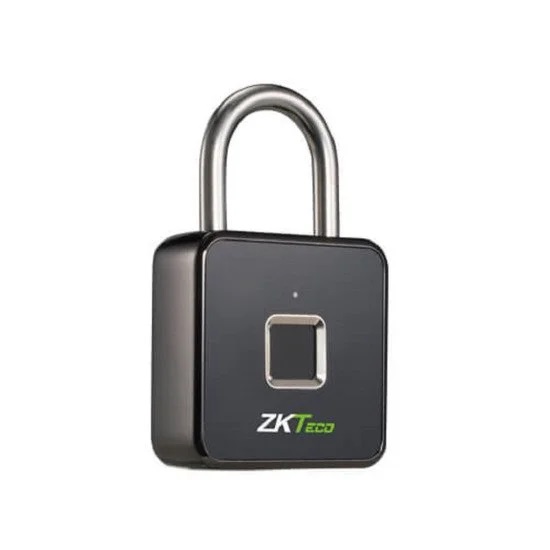
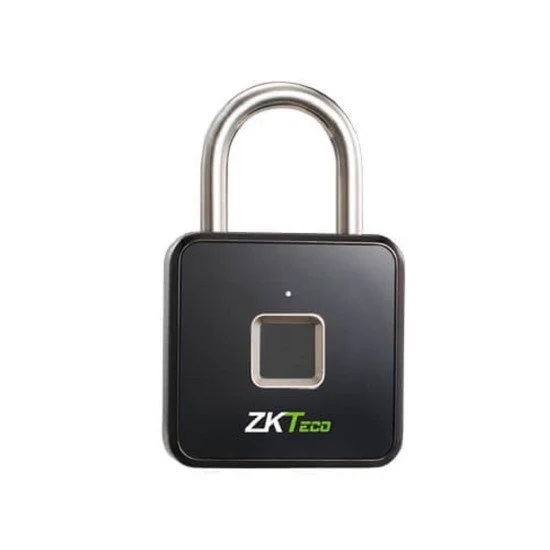
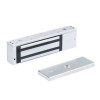
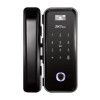
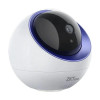
ZKTeco Smart Fingerprint Padlock Price in BD
Smart door locks represent a major step forward in home security, offering convenience and ease of use with features like keyless entry, remote control, and voice activation. However, many homeowners wonder, "Are smart door locks really safe?" While these locks provide a modern solution for everyday security needs, it's important to evaluate potential risks.
1. Phone Detection and Security Concerns
Some smart door locks rely on Bluetooth technology to detect the presence of your smartphone to unlock the door. While this feature offers convenience, it also raises a security concern: what if your phone is stolen? If someone gains access to your phone, they may also gain access to your home. Fortunately, most smart locks address this issue with a backup entry method. Many locks come with a backup key or allow you to enter a custom PIN code for access when your phone isn’t available.
2. Lock Removal Risks
While smart locks enhance convenience, some are not immune to vulnerabilities. In certain cases, they can be removed with common tools, such as a flathead screwdriver. This vulnerability is particularly concerning for homeowners who rely solely on smart locks without additional security measures. Smart locks that integrate with traditional deadbolts may provide a comparable level of security to classic locks, but double-cylinder deadbolts are typically not compatible with some smart locks. As a result, it's important to consider adding additional layers of security or using a smart lock alongside a traditional lock for added peace of mind.
3. Power Source Vulnerabilities
Smart locks are electronic devices, and their reliance on batteries or electricity can be a limitation during power failures or if the batteries run out. However, many modern smart locks are designed with backup power options or low-battery indicators to alert you before it becomes an issue. Having a backup key or manual override option in place ensures that you won’t be locked out of your home during an emergency.
4. Security Best Practices
To ensure that your smart door lock remains a secure option for your home:
- Always use multiple access methods (e.g., fingerprint, keycode, or phone app) to increase flexibility and security.
- Choose a smart lock with strong encryption to safeguard against unauthorized access attempts.
- Consider a backup key option in case of malfunction, power failure, or forgotten passwords.
- Regularly check the lock’s battery status to prevent power-related issues.